Australian operated
Got a Pest Problem? Call Us Today →
 1300 915 743

5.0 
30 reviews

5.0
30 reviews
Australian operated

Free on-site visit & quote

Over 14,000+ homes protected

5/5 stars is most frequent rating
Finding an active wasp nest around your property can create a serious sting risk, particularly when the nest is close to a doorway, roof space, garden, walkway or outdoor entertaining area. Pest-Ex provides professional wasp nest removal and targeted wasp control for residential and commercial properties.
Our licensed technicians inspect the affected area, identify the type of wasp and determine the safest treatment method based on the location and accessibility of the nest. Avoid touching, spraying or blocking the nest entrance, as disturbed wasps may become aggressive and sting repeatedly.
Wasp nest removal and professional wasp pest control are essential when you need to get rid of wasps safely and manage active wasp nests around your property. These insects are highly territorial and can become extremely aggressive when they feel their nest is disturbed. Wasps typically build their nests in sheltered locations such as underneath guttering, within hedges, or in nearby gardens. They are also often found in roof voids, attics, and other hidden areas around the home.
It’s common for homeowners, children, or pets to be stung by wasps when mowing the lawn, gardening, or even during outdoor play. Their stings can be painful, and in some cases, can lead to severe allergic reactions or anaphylaxis in sensitive individuals. Wasp nest removal should be a priority, especially if the nest is in a high-traffic area or near your living spaces. As wasps can act aggressively when threatened, it’s crucial to handle the situation quickly and safely with professional wasp pest control services.
At Pest Ex, our professional pest control technicians not only ensure the safe wasp removal of the nest but also offer long-term solutions to prevent wasps from re-nesting on your property. Whether you need wasps nest removal in Brisbane, the Gold Coast, Logan, Tweed Heads, or surrounding areas, our licensed team delivers safe, effective, and eco-friendly wasp control methods to protect your family and home from the dangers posed by wasps and their nests.
There are 2 main types of wasps that cause concern for Australian homeowners and businesses.
These wasps are brown and have yellow markings across the body, they grow to 2cm in size and are common across Australia. They make a cone looking nest and can become overly aggressive when a person or pet comes close to their nest. They produce a very painful sting.
European wasps are thicker than paper wasps and are sometimes mistaken for bees. They can grow up to 3.3 cm in length, deliver a very painful sting, and are capable of stinging repeatedly. People who are stung usually experience a burning sensation at the site. European wasp colonies expand through spring and summer, with numbers peaking in early autumn, which is why late-season nests can be large and high-risk, as noted by ClimateWatch’s European wasp profile.
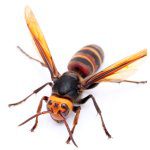
For life-cycle context: colonies expand through spring–summer; numbers peak in early autumn, which is why late-season nests can be large and high-risk.
Wasps usually select sheltered areas that offer protection from weather and easy access to food and water. Around residential and commercial properties, nests may be found under roof eaves, inside wall cavities, within roof voids, beneath decks, in sheds, around fences or inside dense shrubs.
Some nests remain hidden, with only a small entry point and frequent wasp activity indicating their location. If you regularly notice wasps entering the same crack, opening or section of the building, there may be an established nest nearby. Avoid sealing the opening before professional treatment, as this may force the wasps to find another route into the property.
Wasp nests are often found in hidden areas around your home or business, typically in sheltered, undisturbed places. Identifying these nests early can help prevent painful stings and further infestations. Here’s how to spot a wasp nest:
Location: Wasps prefer to build nests in high, sheltered locations like roof voids, attics, eaves, under decking, or in trees. They can also nest inside walls, chimneys, or sheds.
Nest Appearance: Wasp nests have a papery appearance, usually light grey or brown, and are made from wood fibers chewed by the wasps. The nests are honeycomb-shaped, with multiple hexagonal cells used for laying eggs.
Active Wasp Behavior: If you notice wasps flying in and out of a specific area, it’s a clear sign that a nest is nearby. Wasps can be particularly active during spring and summer as the colony grows.
Size of the Nest: The size of the nest can vary. Small nests can be around the size of a golf ball, while larger nests may grow to the size of a basketball or more. A larger nest often indicates an established colony and the need for immediate removal.
If you suspect a nest, avoid disturbing it and call Pest Ex for professional wasp nest removal and control services.
While some wasp nests are easy to spot, others can remain hidden inside wall cavities, roof voids and garden structures.
Common signs of a wasp nest include:
If you notice these signs, avoid disturbing the area and arrange a professional inspection to determine whether a wasp nest is present.
1. Inspection and Identification
Our technician inspects the property to locate the nest, assess wasp activity and identify the species where possible. The nest location, size and accessibility help determine the most suitable treatment.
2. Targeted Wasp Treatment
A professional treatment is applied directly to the nest or its entry point using equipment suited to the situation. Hidden nests inside roof spaces or wall cavities may require a different approach from exposed nests under eaves or in gardens.
3. Activity Assessment
Wasp activity may continue briefly after treatment as individual wasps return to the nest. The technician will explain what to expect and whether the nest should remain undisturbed for a period after treatment.
4. Practical Advice
Once treatment is complete, we provide practical recommendations for managing attractants and reducing the likelihood of new nesting activity around commonly affected areas.
A wasp sting can be painful, but knowing how to treat it can reduce discomfort and prevent complications. Here’s what to do:
Remove the Stinger: Unlike bees, wasps do not leave their stinger behind. However, you should still remove any visible stinger to prevent further irritation.
Clean the Sting Area: Wash the area with soap and water to remove dirt and bacteria.
Apply a Cold Compress: Place a cold compress or ice pack on the sting site for 10-15 minutes to reduce swelling and pain.
Take Antihistamines: If the area is itchy or swollen, oral antihistamines (like Benadryl) can help reduce symptoms.
Use Topical Creams: Apply hydrocortisone cream or calamine lotion to relieve itching and inflammation.
Watch for Allergic Reactions: Severe allergic reactions (anaphylaxis) can occur. Symptoms include difficulty breathing, swelling of the face, nausea, or dizziness. If you experience any of these symptoms, seek emergency medical help immediately.
Knowing how to respond to a wasp sting can minimise discomfort, but always stay vigilant for signs of anaphylaxis, especially if you or someone nearby has a history of severe allergies.
Many property owners attempt to remove a wasp nest themselves, but this can increase the risk of multiple stings if the colony becomes disturbed.
Wasps are highly defensive of their nests and can respond aggressively when they perceive a threat. Large nests may contain hundreds or even thousands of wasps, making DIY removal potentially hazardous.
Professional wasp nest removal allows the nest to be treated safely using appropriate equipment and proven treatment methods.
Preventing wasps from nesting on your property is key to avoiding infestations and the risk of stings. Here are practical steps you can take to deter wasps:
Seal Cracks and Gaps: Check for and seal any cracks or gaps in walls, doors, windows, and roofing that could serve as entry points for wasps.
Remove Food Sources: Wasps are attracted to sweet food, drinks, and garbage. Keep trash bins tightly sealed, clean up spills, and cover food when eating outdoors.
Maintain Your Property: Trim back trees, shrubs, and hedges where wasps may choose to nest. Regularly inspect areas like roof eaves or attics, where wasps like to build.
Use Wasp Deterrents: Consider using wasp traps or deterrent sprays around your property to discourage wasps from settling. Essential oils, like peppermint or clove, can also be effective natural repellents.
Regular Inspections: Schedule professional pest control inspections to catch early signs of wasp nests before they become a larger issue. Professionals can also treat areas around your home with preventative treatments to deter wasps from nesting.
Taking these steps reduces the likelihood of wasps making your property their home and minimises the risk of stings.
While it might be tempting to try DIY wasp nest removal, professional assistance is always the safest and most effective option. Here’s why you should rely on experts:
Expertise: Pest Ex technicians are trained to handle aggressive wasp species. Without the right knowledge, DIY removal can provoke wasps, making them more aggressive and likely to sting.
Safety: Wasps will defend their nests, and even a few stings can cause severe allergic reactions or anaphylaxis in some individuals. Professional pest controllers use safe, proven methods to remove nests, minimising the risk of injury.
Complete Removal: Removing a wasp nest is not just about killing the adults. Professionals ensure the entire nest and larvae are treated, which prevents future infestations.
Specialised Equipment: Pest Ex uses specialised equipment, such as protective suits and insecticides, to ensure the removal process is quick, efficient, and safe.
Long-Term Solutions: Along with removal, Pest Ex provides preventative measures, including recommendations for sealing entry points and ongoing inspections, to ensure wasps don’t return.
Choosing professional wasp nest removal from Pest Ex gives you peace of mind, knowing the job will be done safely and effectively.
Yes — wasp nest removal (often searched as “wasps nest removal”) can be urgent, especially when nests are near entryways, play areas, pets, or outdoor seating.
European wasps are particularly aggressive when defending their nests. Unlike bees, they can sting multiple times, and their stings may cause severe pain, swelling, or even allergic reactions.
Removing the nest early also prevents it from becoming larger and harder to manage. Colonies grow quickly in spring and summer, peaking in autumn, with some nests housing thousands of wasps. Professional removal is the safest option to minimise risk and stop wasps from re-establishing.
We offer same-day wasp nest removal* across South-East Queensland, including:
Our trained technicians are local, licensed, and fully equipped to handle European wasp nests safely — even in hard-to-reach places like wall cavities, eaves, trees, or garden sheds. Whether it’s a residential property or a commercial site, we aim to respond quickly, especially if there’s a safety concern.
Book now or request a quote—see our transparent Pest Control Prices page.
*Availability may vary depending on location and time of booking.
Most wasp nests have a papery appearance and are made from chewed wood fibres. They are commonly grey or light brown and may be found under eaves, in trees, sheds or wall cavities.
Yes. Wasps can become aggressive if their nest is disturbed, leading to multiple stings. It’s safer and more effective to rely on experts trained in wasp nests removal.
The safest way to get rid of wasps is through professional treatment and wasp nest removal. Attempting to disturb a nest can increase the risk of stings.
Early morning or evening, when activity is lower—though with protective gear and the right products, technicians can treat nests safely at any time.
Our team safely identifies and treats wasp infestations using industry-approved methods. We offer complete pest control for wasps, including locating hidden nests and applying targeted treatments.
Do not approach or try to remove it yourself. Call a licensed technician immediately to safely assess and remove the wasp nest without risk of stings or further infestation.
Wasps may establish new nests in suitable locations around a property. Regular inspections and preventative measures can help reduce the likelihood of future nesting activity.
Pricing depends on nest size, access, and species. See our [Pest Control Prices] page and request a tailored quote. Costs are confirmed after inspection to ensure accuracy, and we provide transparent pricing with no hidden fees. Same-day removal is available in many areas across South-East Queensland, and our trained professionals handle each nest safely and efficiently.

 5.0
5.0
30 reviews
 5.0
5.0
30 reviews