Australian operated
Got a Pest Problem? Call Us Today →
 1300 915 743
Australian operated

Free on-site visit & quote

Over 14,000+ homes protected

5/5 stars is most frequent rating
Once your pest control treatment is finished, a few simple habits protect the result and keep your household safe:
Read any safety data sheet your technician leaves and follow their instructions for your specific treatment.

“We’ve just had our annual pest control treatment done on our home. What can we expect over the next week or so? Is there anything we need to do, or be aware of now that our house has been sprayed?”
 This is a great question and one that we get frequently here at Pest-Ex.
For most home owners, they’ll want to be sure they know exactly what to do once treatment has been completed. Infact, most home owners simply want to ensure that –
Here’s a complete answer to Katrina’s question, which we’re sure will help those of you wondering the same thing.
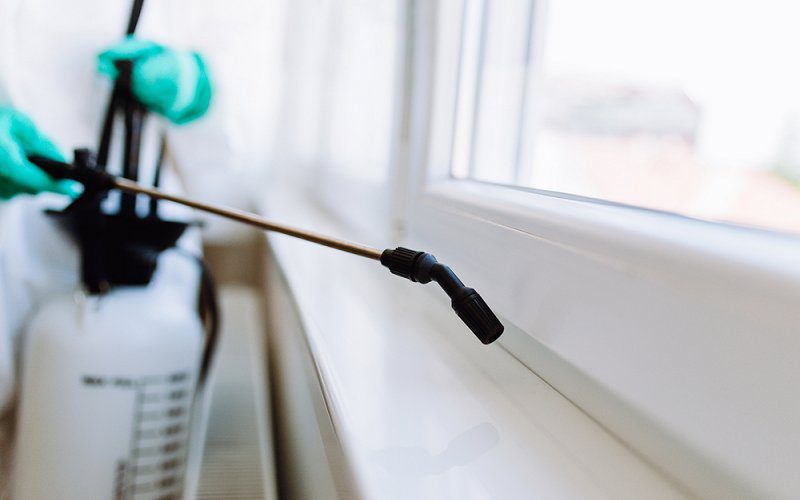
For a standard internal treatment, the product is touch dry within about 25 to 30 minutes, and the area is safe to use again once it has dried. Today’s products are applied as a very fine mist to targeted surfaces only. They are odour free, leave no airborne residue, and bind to the surface as they dry, so there is no need to leave your home for the day.
We still suggest the simplest approach on the day: take the dog for a walk or the kids to the park while the inside is treated, then settle back in once everything is dry.
Yes, once the treatment has dried. The products we use are chosen to be safe for families and pets when used as directed, which is a core part of how we work. Keep pets and children off treated surfaces until they are dry, around 25 to 30 minutes, and you are good to go. Fish tanks and bird cages should be covered and left undisturbed during an internal treatment as a sensible precaution. If you want the full detail, our health and safety page and the safety data sheets set out the products and handling.

Seeing a burst of activity in the first week or two is one of the most common things people ask about, and it is a good sign. When we dust wall cavities, the roof void, weep holes and the cracks and crevices where pests hide, we flush them out of hiding. Cockroaches living inside a wall cavity, for example, will come out through down lights or from under skirting boards and move around before the product takes effect.
So an influx of dying pests, especially around fridges, dishwashers and kitchen cupboards where nests sit, is the treatment doing its job. Activity typically drops to around 20 percent within the first fortnight, then tapers off over the following weeks as the last of them contact the gel bait and dust.
There is also a common false alarm. People who have just moved in sometimes call convinced the place is infested, when in fact it was treated a week or two earlier and they are seeing the tail end of that process. Pests can also be carried in accidentally, often in delivery boxes. Give the treatment time to work before assuming it has failed.
A little before and after care makes the treatment last longer:
Modern pesticides are not instant knockdown products. Many are deliberately slow acting and non repellent, so pests cannot detect the treated zones and do not avoid them. A perimeter treatment generally protects for around 30 to 90 days, which is why regular treatments keep homes consistently pest free.
Here is a rough guide to how long different pests take to settle down after treatment:
If activity has not clearly dropped after the timeframes above, or it climbs again once things had settled, get in touch. It usually means a fresh introduction or a harder infestation that needs a follow up, not a failed treatment. We are always happy to talk through what you are seeing and arrange a revisit if one is warranted.
Our warm, humid climate keeps pests active for much of the year, and homes on bushy or leafy blocks across the Gold Coast, Brisbane, Logan and Tweed Heads tend to see more pressure. Because a perimeter treatment protects for a set window, a regular schedule rather than a one off is what keeps a home consistently protected through the warmer, wetter months when activity peaks.
Pest-Ex has protected more than 14,000 homes across South East Queensland and Northern NSW since 2006, and we are a Rentokil company. We are fully licensed and insured, our technicians are among the most experienced in the industry, and we use products chosen to be safe for your family and pets.
If your treatment is due, or activity has not settled the way it should, explore our pest control services or book a free on-site quote. For termite protection specifically, see our termite treatment options.

About 25 to 30 minutes, once the product is touch dry. Modern treatments are odour free and leave no airborne residue, so there is no need to vacate your home for the day.
For most internal treatments you can stay on the property. Keep out of each treated room until it is dry, then it is safe to use. Your technician will tell you if a specific treatment needs anything more.
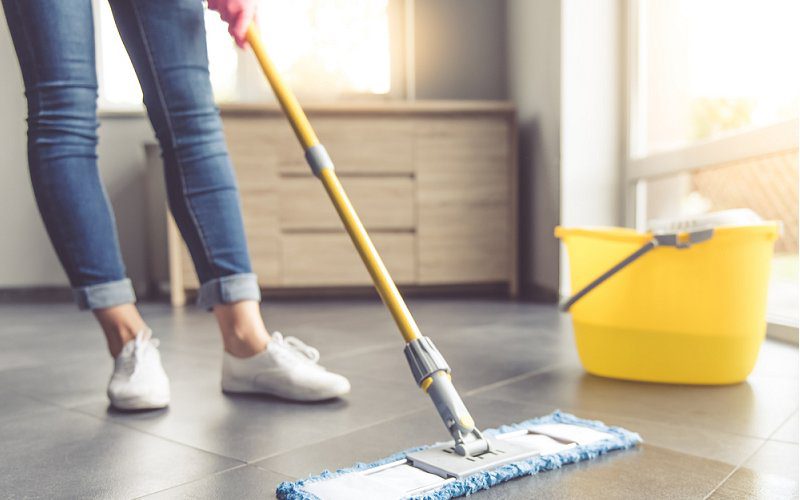
Mop hard floors before the treatment so the surface is clean, then avoid mopping the wall edges and skirting boards for 6 to 8 weeks afterwards. Normal sweeping and vacuuming is fine straight away.
Treating wall cavities and hiding spots flushes pests out before the product takes effect, so a short rise in activity is normal and expected. It should drop to around 20 percent within two weeks and clear over the following weeks.
A general perimeter treatment protects for roughly 30 to 90 days, which is why a regular schedule keeps a home consistently protected, especially through the warmer months.
Avoid deep cleaning treated cupboard edges and skirting for about 6 weeks so the protective zone stays in place. Wipe up spills with a damp cloth as needed, away from the treated edges.

 5.0
33 reviews
 4.7
55 reviews